No products in the cart.
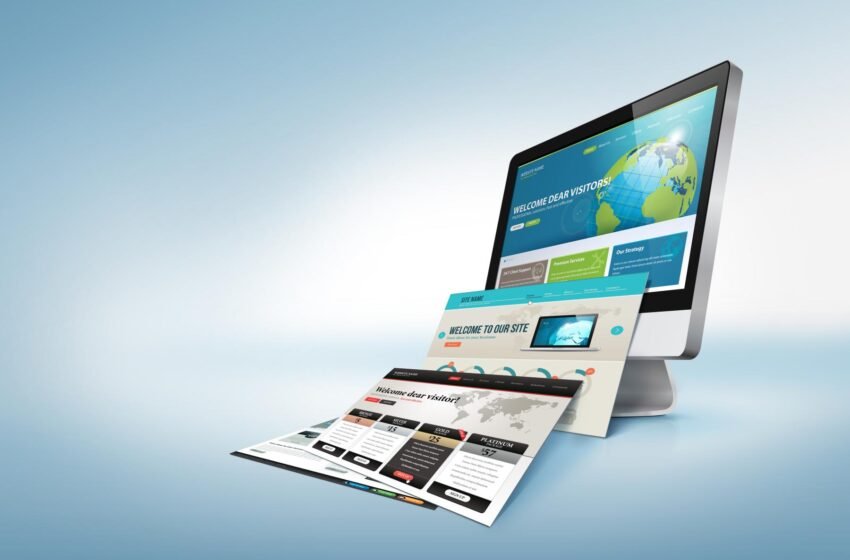
Designing a high-converting landing page is one of the most critical elements of digital marketing success. A landing page serves as the focal point of a campaign, guiding visitors toward a specific action, whether it is making a purchase, signing up for a newsletter, downloading an eBook, or requesting a consultation. Unlike a standard website page that has multiple purposes and distractions, a landing page is singularly focused, and every design element should be tailored to maximize conversions. Understanding user behavior, psychology, and design principles is essential to create pages that engage, persuade, and drive action. In this comprehensive guide, we explore proven strategies and insights to help businesses, marketers, and web designers craft landing pages that deliver measurable results.
Understanding the Psychology of Landing Pages
To design a landing page that converts, it is crucial to understand the mindset of your target audience. Visitors arrive with specific intentions, often influenced by marketing campaigns, social media posts, or paid advertisements. They expect a seamless experience that quickly communicates value and addresses their needs. The psychology behind landing page design revolves around reducing friction, establishing trust, and creating a sense of urgency or relevance. Humans are naturally drawn to visual hierarchy, clear messaging, and cues that indicate benefits and action. By strategically designing headlines, subheadings, images, and calls to action, you can guide users’ attention toward the desired outcome while minimizing distractions. Understanding cognitive load is also important, as overly complex layouts, too much text, or conflicting information can overwhelm visitors and reduce conversion rates. A high-converting landing page leverages psychology to anticipate user questions, address concerns, and create an intuitive flow that guides the visitor toward completing the intended action.
Crafting a Compelling Headline
The headline is the first element visitors notice when they land on a page, and it plays a crucial role in capturing attention. A strong headline should immediately communicate the value proposition while resonating with the visitor’s needs or pain points. It should be concise, clear, and benefit-driven, highlighting why the visitor should stay and engage further. Headlines should avoid vague or generic statements, focusing instead on actionable outcomes or unique solutions that the offering provides. Supporting the headline with a compelling subheadline can further clarify the value proposition and provide additional context. Both the headline and subheadline work together to engage users, encourage them to read more, and set the tone for the entire landing page. By carefully testing different variations of headlines through A/B testing or multivariate experiments, marketers can identify which wording, tone, or structure resonates most effectively with their target audience, resulting in higher engagement and conversions.
Designing for Visual Hierarchy
Visual hierarchy plays a pivotal role in how visitors perceive and navigate your landing page. The human brain naturally scans pages from top to bottom and tends to focus on prominent elements first. By organizing content, images, and interactive elements strategically, designers can guide visitors’ attention in a deliberate sequence that encourages conversion. Important information, such as benefits, value propositions, and calls to action, should be placed prominently above the fold to ensure visibility without requiring scrolling. Secondary elements, such as testimonials, detailed descriptions, or supplementary offers, can be placed further down the page to support decision-making. The use of typography, color, contrast, and spacing also contributes to visual hierarchy, making it easier for users to quickly understand the page’s purpose and navigate toward the desired action. Consistency in design, alignment, and spacing ensures that the page feels professional and cohesive, reinforcing trust and credibility, which are essential for persuading visitors to take the intended action.
Crafting Clear and Persuasive Copy
High-converting landing pages rely on copy that communicates value and persuades visitors to act. Every word should serve a purpose, either educating, engaging, or guiding the user toward conversion. Clear and persuasive copy eliminates confusion and emphasizes benefits rather than features, addressing the visitor’s needs and desires. It is essential to speak directly to the audience using a tone that resonates and creates a connection. The use of storytelling techniques can help illustrate problems and solutions, making the offering more relatable and compelling. Avoiding jargon or overly technical language ensures accessibility and understanding, while emphasizing actionable outcomes reinforces the motivation to act. Copy should also create a sense of urgency when appropriate, using limited-time offers, exclusive deals, or clear deadlines to encourage immediate action. Well-structured paragraphs, smooth transitions, and logical flow contribute to readability, allowing visitors to absorb the information effortlessly and stay engaged until the call to action is reached.
Utilizing Strong Calls to Action
The call to action (CTA) is the centerpiece of a high-converting landing page, representing the desired action that the visitor should take. CTAs should be clear, direct, and persuasive, eliminating any ambiguity about the next step. The placement of the CTA is equally important, often appearing above the fold and at multiple points throughout the page to accommodate different user behaviors. Effective CTA buttons use actionable language, such as “Get Started,” “Download Now,” or “Sign Up Today,” conveying immediate value and prompting action. The design of CTA buttons—including size, color, contrast, and whitespace—ensures that they stand out from surrounding content without being intrusive. Testing variations in CTA text, placement, and design through A/B testing provides insights into which combinations drive the highest conversion rates. Including visual cues such as arrows, directional imagery, or subtle animations can further draw attention to CTAs and enhance engagement. Ultimately, a strong call to action bridges the gap between interest and action, making it as easy and compelling as possible for visitors to complete the intended task.
Leveraging Visuals and Multimedia
Images, videos, and other multimedia elements play a crucial role in communicating value and engaging visitors. Visuals should be relevant, high-quality, and strategically placed to support the copy and emphasize the benefits of the offer. Product images, demonstrations, or explainer videos can help clarify complex concepts, build trust, and illustrate outcomes in a way that words alone cannot. The use of testimonials, case studies, or real-world examples in visual formats adds credibility and reassures visitors about the quality and reliability of the offering. Videos, in particular, can increase engagement and dwell time, helping visitors understand the value proposition more effectively. However, it is important to optimize media for fast loading and mobile compatibility, as slow or unresponsive multimedia can detract from user experience and reduce conversions. By integrating visuals thoughtfully and ensuring they complement the overall design, landing pages can communicate messages more efficiently and create a more immersive and persuasive experience for visitors.
Building Trust and Credibility
Trust is a critical factor influencing conversion rates. Visitors are often skeptical when arriving on a landing page, especially if it involves providing personal information or making a purchase. To establish credibility, designers should prominently feature elements such as testimonials, reviews, trust badges, certifications, and guarantees. Social proof in the form of user testimonials, case studies, or client logos reassures visitors that others have successfully engaged with the offering. Clearly displaying privacy policies, secure payment options, and data protection measures alleviates concerns and reinforces trust. Consistency in branding, professional design, and polished visuals also contributes to perceived credibility, creating a sense of reliability and professionalism. Building trust through these elements is essential to reduce friction, enhance confidence, and motivate visitors to take the desired action. Without trust, even well-designed landing pages may fail to convert, highlighting its central role in high-converting design.
Optimizing for Mobile Devices
With the majority of web traffic now originating from mobile devices, designing landing pages with mobile optimization in mind is crucial. Mobile users expect fast-loading, responsive, and easy-to-navigate pages that fit smaller screens without sacrificing functionality. Touch-friendly buttons, collapsible menus, and clear visual hierarchy ensure that mobile visitors can interact seamlessly. Mobile optimization also includes minimizing page load times, reducing unnecessary scripts, and compressing images to enhance performance. A landing page that fails to deliver a smooth mobile experience risks losing a significant portion of potential conversions. By prioritizing mobile-first design principles, marketers and designers can cater to a wider audience, maintain engagement, and increase conversion rates across all devices, ensuring a consistent and positive user experience.
Testing and Analyzing Performance
Even the most thoughtfully designed landing pages require continuous testing and optimization to maximize conversions. A/B testing, multivariate testing, and user behavior analysis provide valuable insights into which design elements, copy, visuals, and CTAs perform best. Tools such as heatmaps, session recordings, and analytics dashboards reveal how visitors interact with the page, where they encounter friction, and which elements drive engagement. Regularly analyzing performance metrics, including bounce rates, click-through rates, and conversion rates, allows designers to refine layouts, messaging, and visuals based on real-world data. Iterative testing and optimization ensure that landing pages evolve alongside user behavior, preferences, and industry trends, maintaining their effectiveness over time and delivering higher ROI.
Integrating SEO with Landing Page Design
While conversion is the primary goal, SEO should not be overlooked when designing landing pages. Optimizing landing pages for search engines increases organic traffic, reduces reliance on paid campaigns, and enhances visibility to relevant audiences. SEO-friendly landing pages include clear and concise meta titles and descriptions, proper heading structures, descriptive alt text for images, and fast-loading mobile-optimized layouts. Including relevant keywords naturally within the copy, maintaining readability, and structuring content logically ensures that both search engines and users can easily understand the page’s purpose. By integrating SEO best practices with high-converting design principles, businesses can maximize reach, attract qualified leads, and sustain long-term growth through organic search channels.
Conclusion
Designing high-converting landing pages requires a deep understanding of user behavior, psychology, and effective design principles. From crafting compelling headlines and persuasive copy to leveraging visuals, building trust, optimizing for mobile, and testing performance, every element plays a critical role in guiding visitors toward the desired action. Landing pages are not static; they require ongoing analysis, optimization, and adaptation to evolving user expectations and industry trends. By combining clear messaging, strategic visual design, trust-building elements, and SEO optimization, businesses can create landing pages that not only attract visitors but convert them into loyal customers. In the competitive digital landscape, investing in high-converting landing page design is not just an option—it is a necessity for sustained growth, engagement, and measurable marketing success.