No products in the cart.
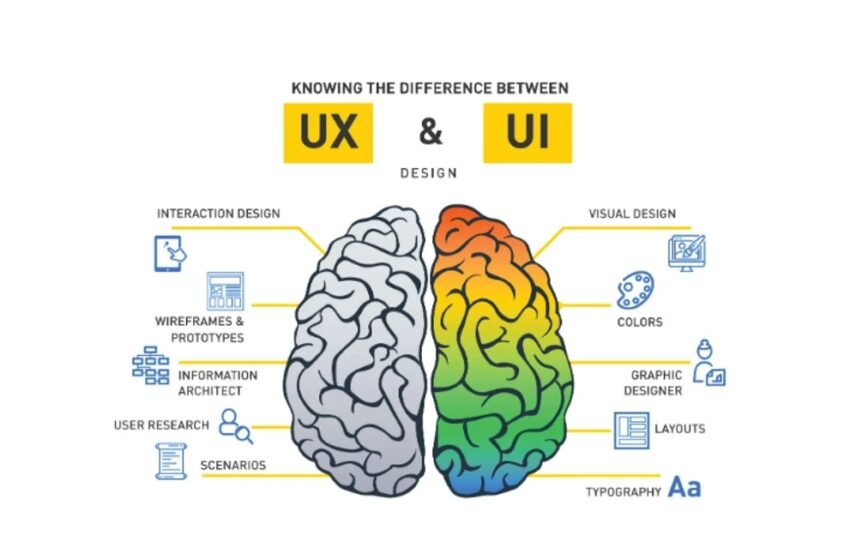
In today’s digital age, terms like UI and UX are commonly used in web design, app development, and product creation, yet they are often misunderstood or used interchangeably. Understanding the difference between UI (User Interface) and UX (User Experience) is critical for businesses, designers, and developers seeking to create successful digital products that engage users, drive conversions, and foster loyalty. While UI and UX are closely intertwined and work together to create seamless digital experiences, they serve distinct purposes and require different approaches, strategies, and skill sets. This comprehensive guide explores the nuances of UI and UX, the differences between them, and why mastering both is essential for creating digital products that not only look appealing but also function intuitively, satisfy user needs, and achieve business goals.
What Is UI (User Interface) Design?
User Interface, commonly abbreviated as UI, refers to the visual and interactive elements of a digital product that allow users to engage with it effectively. UI design focuses on the aesthetics, layout, and overall look and feel of an interface, encompassing elements such as buttons, icons, typography, color schemes, images, and responsive layouts. The primary goal of UI design is to create interfaces that are visually appealing, consistent with brand identity, and easy for users to navigate. Effective UI design communicates hierarchy, guides users’ attention to important elements, and ensures that interactive components are intuitive and accessible. While UI focuses heavily on visual design, it also incorporates interaction design principles to ensure that users can perform tasks efficiently. In essence, UI is the bridge between users and the functionality of a product, shaping the first impressions and overall perception of the digital experience.
What Is UX (User Experience) Design?
User Experience, or UX, is concerned with the overall experience a user has while interacting with a digital product. Unlike UI, which focuses primarily on aesthetics and visual appeal, UX design encompasses every aspect of the user’s journey, including usability, accessibility, information architecture, user flows, and satisfaction. The goal of UX design is to ensure that users can accomplish their tasks efficiently, enjoyably, and without unnecessary friction. UX designers conduct research, analyze user behavior, and test prototypes to understand how users interact with a product and identify pain points or areas for improvement. Effective UX design requires empathy, as it involves understanding the needs, motivations, and preferences of users, then translating that insight into intuitive, user-centric solutions. While UI can attract users with visual appeal, UX ensures they stay engaged, find value, and complete desired actions, ultimately influencing retention and conversion rates.
Key Differences Between UI and UX
While UI and UX are interconnected, they serve distinct roles within the design process. UI is primarily concerned with the visual and interactive elements of a product, focusing on how it looks and how users interact with it on a surface level. UX, on the other hand, deals with the underlying structure, flow, and usability, focusing on how the product works and how users feel when interacting with it. A product can have excellent UI but poor UX if it looks appealing but is confusing, slow, or difficult to navigate. Conversely, a product can have strong UX but mediocre UI, providing a functional experience that may feel unattractive or inconsistent. Understanding these differences is crucial for creating digital products that are both visually engaging and functionally effective. Successful design requires a harmonious balance between UI and UX, where aesthetics support usability, and usability enhances the visual experience.
The Role of UI in Digital Products
UI plays a vital role in shaping users’ perceptions of a digital product. It is the first point of contact for users and often determines whether they will stay, engage, or abandon the product. A well-designed UI captures attention, establishes trust, and reinforces brand identity. Color schemes evoke emotions, typography communicates hierarchy, and interactive elements signal functionality. Beyond aesthetics, UI design also ensures consistency across different screens and devices, providing a cohesive experience that users can rely on. Additionally, UI designers focus on accessibility, ensuring that buttons, forms, and navigation elements are easy to use for diverse audiences, including those with disabilities. A thoughtfully designed UI not only attracts users but also guides them seamlessly through the interface, supporting usability and enhancing the overall user experience.
The Role of UX in Digital Products
UX determines the effectiveness and satisfaction of a digital product. While UI captures attention, UX ensures that users can achieve their goals efficiently and enjoyably. UX designers consider the entire user journey, from the moment a user lands on a website or opens an app to the completion of a desired action. This involves mapping out user flows, simplifying processes, reducing friction, and creating logical structures that make sense to users. Research-driven UX design identifies pain points, anticipates user needs, and implements solutions that enhance usability. The ultimate goal of UX is to create products that are intuitive, accessible, and satisfying to use, leading to higher engagement, loyalty, and conversions. Without effective UX, even the most visually stunning interfaces may fail to retain users or drive business objectives, highlighting the critical importance of user-centric design.
How UI and UX Work Together
UI and UX are complementary components of a successful digital product. While UI focuses on the look and feel, UX focuses on the functionality and usability. A seamless digital experience requires both elements to work in harmony. UI elements guide users visually, while UX structures the flow and logic of interactions. For instance, a well-designed button (UI) is not enough if it leads to a confusing or inefficient process (UX). Similarly, a perfectly optimized user flow (UX) may fail if the interface is unattractive, inconsistent, or difficult to interact with (UI). Collaboration between UI and UX designers ensures that the product is visually appealing, intuitive, and efficient, providing a holistic experience that meets both user expectations and business objectives. Products that successfully integrate UI and UX tend to achieve higher user satisfaction, retention, and conversion rates.
Common Misconceptions About UI and UX
One of the most prevalent misconceptions is that UI and UX are the same thing or that they can be handled interchangeably. In reality, UI is a subset of UX, but both require distinct skills, methodologies, and expertise. UI focuses on visual design, typography, color theory, and interaction design, while UX involves research, information architecture, user flows, wireframing, and usability testing. Another misconception is that a visually appealing interface guarantees a positive user experience. While aesthetics can attract users, they cannot compensate for poor functionality, confusing navigation, or slow performance. Conversely, some believe that UX alone can drive engagement without attention to visual design, yet unattractive or inconsistent interfaces can reduce user trust and satisfaction. Recognizing these misconceptions is essential for building digital products that are both visually compelling and functionally effective.
The Business Impact of UI and UX
Investing in both UI and UX has a direct impact on business outcomes. Websites and apps that are visually appealing, easy to use, and tailored to user needs tend to achieve higher engagement, lower bounce rates, and increased conversions. Strong UI creates a positive first impression, establishing credibility and brand recognition. Strong UX ensures that visitors can complete desired actions efficiently, resulting in higher customer satisfaction and loyalty. Companies that prioritize UI and UX often experience reduced support costs, as intuitive design minimizes confusion and errors. Additionally, search engines favor websites that deliver superior user experiences, enhancing visibility and driving organic traffic. By integrating UI and UX strategically, businesses can create digital products that not only attract users but also convert them into loyal customers, providing measurable returns on investment.
UI Best Practices
Effective UI design requires careful attention to visual hierarchy, consistency, accessibility, and interaction design. Visual hierarchy guides users’ attention to key elements, making important actions and information easy to identify. Consistency in color schemes, typography, and layout across pages fosters familiarity and trust. Accessibility ensures that all users, including those with disabilities, can interact with the interface comfortably. Interaction design principles, such as clear feedback on clicks and hover states, improve usability and reduce frustration. UI designers must also consider responsive design, ensuring that interfaces function seamlessly across devices, screen sizes, and resolutions. By following these best practices, UI designers create interfaces that are visually engaging, intuitive, and aligned with user expectations, complementing the broader UX strategy.
UX Best Practices
UX best practices revolve around understanding user behavior, simplifying tasks, and creating a seamless journey from start to finish. Conducting user research, developing personas, and mapping user flows provide insights into needs, motivations, and pain points. Simplifying navigation, minimizing steps required to complete actions, and providing clear calls to action reduce friction and enhance usability. Wireframing and prototyping allow UX designers to test layouts and interactions before final implementation, ensuring functionality meets user expectations. Continuous testing, feedback collection, and iterative improvements ensure that the digital product evolves alongside user needs and technological advancements. By adhering to UX best practices, designers create experiences that are not only functional but also enjoyable, satisfying, and capable of driving engagement and conversions.
The Future of UI and UX
The future of UI and UX design is being shaped by emerging technologies, changing user behaviors, and evolving business needs. Voice interfaces, augmented reality, artificial intelligence, and gesture-based interactions are redefining how users engage with digital products. UI designers must adapt to new interaction paradigms while maintaining clarity, accessibility, and visual appeal. UX designers must anticipate complex user journeys and integrate intelligent, context-aware solutions that enhance personalization and usability. Mobile-first and responsive design principles will continue to be critical as users demand seamless experiences across devices. In this evolving landscape, UI and UX will remain central to creating digital products that are not only functional and attractive but also capable of adapting to future user expectations and technological advancements.
Conclusion
Understanding the difference between UI and UX is essential for designing successful digital products. UI focuses on aesthetics, layout, and visual interaction, while UX encompasses the overall experience, usability, and satisfaction of users. Both disciplines are critical for achieving engagement, retention, and conversion, and they must work in harmony to create seamless, effective digital experiences. Misconceptions about UI and UX can hinder product success, but recognizing their unique roles allows designers and businesses to invest strategically in creating interfaces that are visually appealing, intuitive, and functional. By integrating UI and UX best practices, conducting research, and iterating based on user feedback, companies can design digital products that not only meet user expectations but also drive business growth, foster loyalty, and stand out in a competitive market. The synergy of UI and UX is the foundation of successful digital experiences, making it indispensable for modern web and app design.